5 Ways Food-Led Drinking Is Changing The Role Of Beer
Source: Guinness
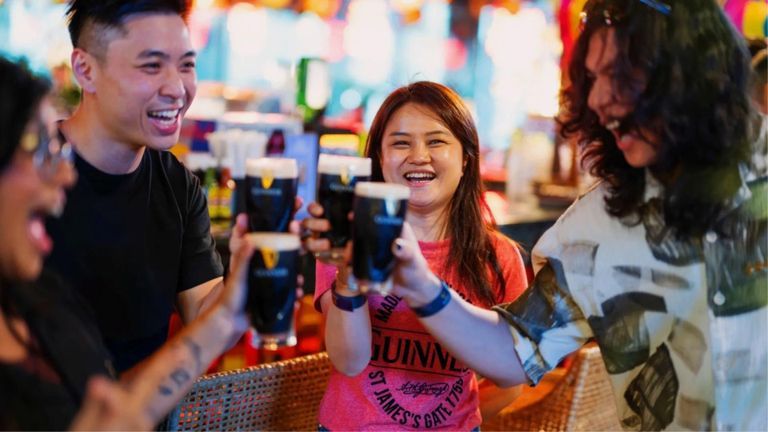
Young consumers are not necessarily turning away from alcohol. They are becoming more selective about when, why and what they drink.
According to IWSR’s 2026 Bevtrac research, alcohol participation among legal-drinking-age Gen Z consumers rose from 66% to 74% over three years, while the average number of drinks consumed per occasion fell from 4.4 to 3.9. The shift is not simply towards drinking less, but drinking differently.
That change is also reshaping the order of a night out. Rather than choosing a venue for its drinks and ordering food later, diners increasingly start with the menu. The beverage is then selected for what it can add to the meal.
This is the idea behind food-led drinking: an occasion where food, rather than alcohol, leads the experience. Drinks play a supporting role by complementing flavours, refreshing the palate or connecting one course to the next.
Here are 5 ways this shift is changing the role of beer.
1. Food Now Leads The Occasion
In traditional drinking culture, beverages often came first. People ordered beer, then chose salty, spicy, or rich dishes to accompany it. Today, that sequence is increasingly reversed.
At izakayas, gastro pubs, wine bars, taprooms, chef’s counters, and modern restaurants, diners typically begin with one question: What are we eating? Only then do they ask: What should we drink with it?
This is the basic idea behind food-led drinking. Alcohol is no longer the main purpose of the gathering. It becomes one part of a broader culinary experience built around food, conversation, and connection.
2. Moderation Is Replacing Excess
Food-led drinking reflects a broader change in how younger consumers define a successful night out. Drinking more is no longer necessarily seen as drinking better.
Instead of measuring the occasion by the number of bottles or rounds, diners increasingly value how well a drink complements the food, improves the atmosphere, and helps the evening unfold naturally.
One well-paired beer can create a more memorable experience than several consumed quickly. This approach does not ask people to stop drinking. It encourages them to drink with greater intention.
3. Drinks Are Becoming Part Of The Menu’s Rhythm
A thoughtfully designed meal has its own pacing. Light dishes may open the experience before richer courses arrive. Fatty flavors may be balanced by acidity. Intense dishes may be followed by something refreshing before the next course begins. Drinks can support that rhythm.
Rather than appearing as a separate element, they can help connect one dish to another, balance flavors, and prevent palate fatigue. In this context, beer is not simply served alongside the meal. It helps guide the experience.
4. Palate Cleansing Is No Longer Limited To Fine Dining
The concept of palate cleansing has long been associated with fine dining. Champagne, sparkling water, citrus sorbet, or a beverage with a crisp finish may be served to remove lingering flavors and prepare diners for the next course.
Yet palate cleansing is something most people already understand instinctively. After a rich grilled dish, a cold sip can make the mouth feel refreshed. After something spicy or heavily seasoned, the palate often needs a reset.
As food-led drinking becomes more common, this function is no longer reserved for high-end restaurants. It is becoming part of everyday dining culture.
5. Beer Is Finding "A New Seat" At The Table
For decades, beer was marketed through familiar ideas: refreshment, celebration, coldness, and endless toasts. Now, more producers are beginning to discuss beer in a different language.
They are focusing on flavor structure, food pairing, balance, and the ability to refresh the palate between dishes.
Royal Arctika Day Chiller reflects this changing approach.
During a multi-course meal, the beer can be served at natural pauses between dishes, helping refresh the palate before the next layer of flavor arrives. The brand describes this cooling sensation as Arctic Frost.
That is also why the beer has appeared in culinary competitions, where precision, flavor progression, and the creativity of young chefs are central to the experience.
Beer Is Not Disappearing, It Is Changing Roles
Food-led drinking is not simply about matching a beer with a dish. It reflects a deeper change in what people expect from eating and drinking together.
The venue matters, the menu matters, or the sequence matters. So do pacing, moderation and the way each element contributes to the overall experience.
For younger consumers, this may mean choosing fewer drinks but expecting more from each one. For restaurants and chefs, it creates an opportunity to think beyond a separate food menu and drinks list. For beer brands, it opens a role that is less about occupying the centre of the occasion and more about enhancing what is already on the table.
As food becomes the reason people gather, the most relevant drink may be the one that knows how to support the meal.
If you'd like to experience firsthand how a thoughtfully paired beer can elevate modern dining, join Royal Arctika at the Rising Chefs Challenge 2026, part of Flavors Vietnam.
During the Grand Finale, Royal Arctika Day Chiller will be served between courses as part of the culinary journey, helping judges and guests refresh their palates before discovering the next layers of flavor created by Vietnam's emerging young chefs.
The Rising Chefs Challenge 2026 is officially open for applications from July 12 to August 2, 2026. Apply HERE.Grand Finale
Date: August 28, 2026
Venue: Saigontourist Hospitality College, Ho Chi Minh City
Enjoy responsibly. 18+.
Please do not share this content with anyone under the age of 18.