8 Misunderstandings About Dating In Vietnam
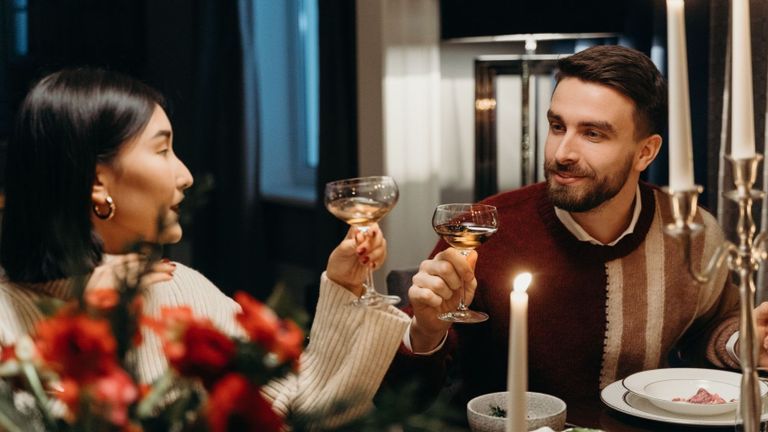
Nguồn: khanhhoangminh/Pexels
I have quite a few friends who are expats, Viet Kieu returning to Vietnam, or Vietnamese people who have spent years abroad. Somehow, after a few drinks, a long dinner, or a coffee chat, dating in Vietnam always comes up - along with familiar takes about money, foreignness, Viet Kieu, English, passports, income, and family background.
But dating is complicated everywhere. In Vietnam, it can feel especially layered because love, family, money, and social expectations often overlap. So instead of treating dating here as a fixed set of cultural rules, it may be more useful to look at the misunderstandings that shape how people enter, interpret, and sometimes misread relationships in Vietnam.
Here are 8 of them...
1. Thinking Vietnamese Women Are “Gold Diggers”
This is probably the laziest stereotype about dating Vietnamese women. There is a big difference between being a gold digger and wanting financial stability. In many Vietnamese families, financial stability is about maturity, responsibility, and security - not greed.
A woman asking about your career or future plans is often just checking if you are stable and serious. That said, if you lead every date by flashing luxury and status, don’t be surprised when you attract people who only respond to exactly what you chose to advertise.
2. Assuming Vietnamese Men Are Automatically Traditional
Another common mistake is assuming local men are universally conservative or emotionally reserved. While traditional gender roles still influence society, many modern Vietnamese men are thoughtful, emotionally aware, and open to equal partnerships.
They might not always make grand verbal declarations, but they show care through practical action, like picking you up in the rain or buying medicine when you’re sick. Sometimes affection here isn’t a long paragraph about feelings; it’s simply: “Em an com chua?” - Have you eaten yet?
3. Thinking Dating The Person Means Dating Only The Person
In Vietnam, relationships often exist within a wider social context. You may think dating is only about chemistry and compatibility. But family and close friends can also play an important role, especially when the relationship becomes more serious.
Parents may not directly decide who someone dates, but their opinions can matter. Friends may not choose your partner, but they often influence how your partner processes the relationship. A close friend saying, “I’m not sure about this person,” can carry more weight than expected.
This can feel unfamiliar if you come from a culture where romance is seen as mostly private. In Vietnam, love is often more connected to family, community, and social belonging.
This does not mean you need to impress everyone, but ignoring the people who matter to your partner can create distance over time. You are not just entering someone’s romantic life. In many ways, you are also entering their social world.
4. Mistaking Check-Ins For Control
In some dating cultures, privacy and independence are very important. A question like “What are you doing?” can feel intrusive. “Who are you with?” can sound like someone is checking up on you.
In Vietnam, frequent check-ins can carry a different meaning.
- What are you doing? can mean I’m thinking about you.
- Have you eaten? can mean I care about you.
- Text me when you get home can mean I want to know you’re safe.
Of course, there is still a boundary. Care should not become control, and affection should not turn into monitoring. Everyone deserves privacy and trust in a relationship, but misunderstanding the meaning behind everyday check-ins can easily create unnecessary conflict. One person may think they are being caring, while the other feels pressured.
In many Vietnamese relationships, being present in each other’s daily rhythm is seen as a form of closeness, not necessarily less freedom, but more emotional connection.
5. Treating 50/50 As A Universal Moral Principle
The bill is rarely just about the money. While splitting is common elsewhere, the person who invites - traditionally the man, is usually expected to pay on early dates in Vietnam. This isn’t about capability; it’s about tấm lòng (heart). Covering the initial tab acts as a signal of care and serious intention, whereas insisting on a strict 50/50 split right away can easily feel cold or stingy.
However, modern expectations are changing toward a more natural balance. Instead of calculating costs down to the cent, healthy couples contribute in alternating, thoughtful ways like one person covering dinner and the other grabbing coffee or snacks next. The goal isn’t rigid accounting or a one-sided burden, but a mutual generosity that flows both ways.
6. Missing The Small Acts Of Service
Romance in Vietnam usually shows up in quiet, everyday gestures rather than big, dramatic surprises. It is found in the little things: walking on the street side, flipping down the motorbike footrests, checking if they have a raincoat, or making sure they get home safely. These small details matter because they show attentiveness, proving you are genuinely paying attention to the other person.
This practical care goes both ways. Vietnamese women often show affection through thoughtful actions - like bringing you a snack, reminding you to rest, or quietly helping you with your pronunciation before you get embarrassed in public. It is easy to miss these signals if you are looking for louder, more obvious displays of romance, but local dating relies heavily on these quiet, thoughtful moments.
7. Thinking Directness Always Works
While honesty is important, how you say something in Vietnam matters just as much as what you say. Local communication deeply values timing, emotional nuance, and saving face, meaning that being too blunt too early can easily come across as harsh or socially clumsy. This doesn’t mean people avoid the truth; it just means that clarity and kindness are expected to go hand in hand.
You can easily show your intentions without losing your warmth. If you aren’t interested, you can be honest without being cold, and if you want something serious, you can express it without making the date feel like a job interview. Being clear is useful, but being considerate makes that clarity much easier to receive.
8. Underestimating The Pacing Difference
In many Western cultures, the casual phase can comfortably last for months. People easily drift into a “situationship” - that blurry middle ground where you act like a couple but have no official labels.
In Vietnam, however, leaving things open-ended for too long tends to feel uncomfortable much more quickly. If you are texting every day, hanging out every weekend, and meeting each other’s inner circle, the other person will naturally want to know what you are.
This doesn’t mean everyone is rushing to get married, young people in major cities are highly career-focused and independent. However, they do value intentionality over endless ambiguity. If you try to keep things in a permanent situationship while enjoying all the perks of a relationship, it will likely be read as a lack of seriousness, and they will simply move on.
Dating in Vietnam can be warm, funny, generous, and occasionally overwhelming, mostly because relationships here sit between many different cultural expectations at once. The rules are rapidly changing, but they haven’t disappeared. Perhaps the biggest misunderstanding of all is thinking there is a single, fixed rulebook. There isn’t.
Instead, it’s a mix of group chats, motorbike rides, late-night phở, and many small gestures that mean more than they first appear. Good luck out there!