A Sensory Guide To Fighting Mosquitoes The Vietnamese Way
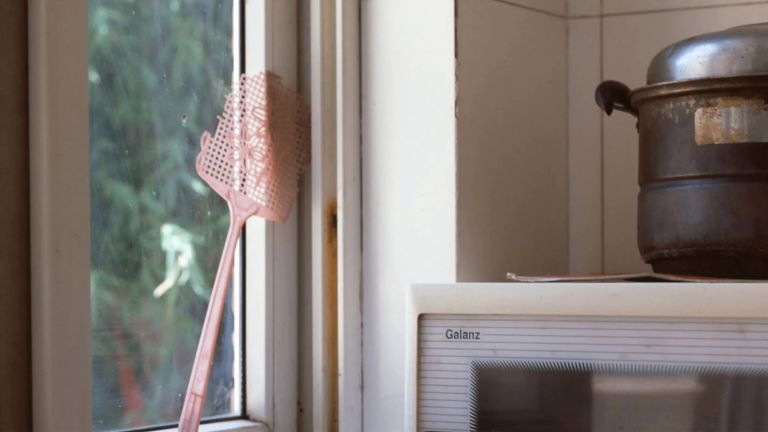
In Vietnam, mosquito defense begins at home: beside the window, near the kitchen, and always within arm’s reach. | Source: Pexels
There are two things you should know about mosquitoes in Vietnam.
First, they are not a summer problem, but a year-round fact of life, like motorbikes, or iced coffee. Second, summer is when they get ambitious. The rain comes harder, the air gets thicker, and suddenly every dinner, café catch-up, and pre-bed scroll session turns into a side quest: kill the mosquito before it gets you first.
Heavy chemical sprays are rarely the best solution here. If you want real protection, it is time to fight exactly the way locals do: through a unique sensory ecosystem of sharp reflexes, traditional aromas, and daily rituals.
1. The Sound: Vợt Muỗi As A Household Sport
If there is one sound that belongs in the Vietnamese summer hall of fame, it is the sharp electric tách of a mosquito getting zapped mid-air.
The vợt muỗi (electric mosquito swatter) usually leans against a wall, rests beside the TV, or waits near the dining table. The moment a mosquito appears, someone is already on their feet, racket in hand.
It can look, from a distance, like a local summer sport more culturally rooted than pickleball, but the performance itself is simple: one quick swing, one tiny electric crackle, and suddenly the mood of the whole room improves.
2. The Scent Map of Mosquito Season
Mosquito defense in Vietnam has a distinct olfactory library. Each aroma reveals exactly where you are, who you are with, and how serious the situation is.
Pomelo Peel Smoke (Vỏ Bưởi)
The most nostalgic method relies on dried pomelo peel (vỏ bưởi), burned slowly so the smoke drifts under tables and across courtyards. It is common in garden cafés and backyard family gatherings. The aroma is bitter, smoky, and earthy, with a faint underlying sweetness. It feels less like a modern wellness product and more like practical, old-school comfort.
Mosquito Coils (Nhang Muỗi)
A staple in countryside homes and traditional bedrooms, the spiral nhang muỗi carries a distinctly spiritual side effect: lighting one instantly makes a bedroom smell like a small temple. Whether it is an airtight defense or a fragrant placebo, the heavy incense scent provides a powerful psychological shield that allows everyone to rest easy.
Aerosol Sprays (Thuốc Xịt Muỗi)
Modern households rely heavily on aerosol defense. Anyone who grew up here remembers legacy sprays with aggressively synthetic citrus scents. Fortunately, advanced odorless formulas have largely taken over, saving bedrooms from smelling like a chemical plant. Still, the ritual remains unchanged: spray the room, shut the door, and let the air clear before entering.
Anti-Mosquito Creams (Thuốc Bôi)
The final scent layer lives directly on the skin. Brands like Soffell and Remos dominate the market. These sharp, medicinal lotions are applied directly to ankles, calves, and wrists before heading out to dinner. It is the scent of accepting reality: your body now carries its own little protective force field.
The Ultimate Milestone
True integration into Vietnamese life is not just about navigating chaotic motorbike traffic; it is about how you react to a buzz at 10 p.m.
Seasoned residents no longer play the victim. You learn to locate the vợt muỗi without looking, know exactly which corners need a pre-bed spray, and remember which family member keeps the cream in their bag. The defense becomes an unconscious, background habit running through every evening.
What looks like a quirky household routine to an outsider is actually a necessary masterclass in community health and adaptation.
Vigilance Wrapped in Ritual
This collective vigilance is born from a serious reality. Dengue fever is a severe, year-round threat that peaks during the rainy months between June and October. Health authorities reported a sharp surge in 2026, with over 50,000 cases recorded in the first five months alone, marking a significant increase from previous years. At its worst, the virus can cause severe illness and lengthy hospitalizations.
This reality turns simple household habits into vital lines of defense. Armed with an electric racket, a smoldering coil, and a bottle of lotion, locals transform a public health necessity into a graceful daily routine. It proves that the best way to handle a persistent threat is to meet it with practical tools, and sometimes, shared humor.