Vietnam Proposes Restrictions On Social Media Use For Under-16s
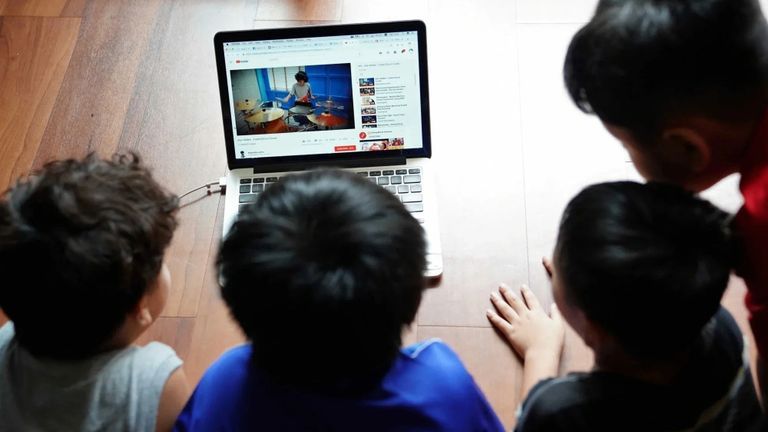
Vietnam has proposed to restrict the use of social media by under-16s. | Source: Thanh Nien
Vietnam has proposed adding regulations to restrict social media use among children under 16, under a draft amendment to Decree 147/2024 on the management of cyberspace.
This does not mean a complete ban on social media, as Australia and the U.K have implemented. However, it would mean that children would have limited access to certain social media features, including posting, commenting and sharing in Vietnam.
The Need To Restrict Social Media
In fact, Vietnam is not the first country to propose or implement such measures. Around 20 countries across Asia and Europe have introduced restrictions ranging from limits on social media use to outright bans for children under 16.
Australia, for example, introduced a complete social media ban for children under 16 in December 2025. Meanwhile, countries such as China have implemented a so-called “minor mode,” which requires device-level restrictions and app-specific rules to limit screen time based on users’ age.
Governments have cited a range of concerns when introducing or considering restrictions on children’s social media use. One of the most common is children’s mental health and wellbeing, which are pointed to as anxiety, sleep disruption, difficulties with concentration and the potentially addictive nature of excessive social media use.
Another major concern is children’s exposure to harmful content, including pornography, violence, self-harm, eating disorders and hate speech. Policymakers are also looking beyond what children see online to how platforms are designed to keep them engaged. Features such as infinite scrolling and other addictive design mechanisms have come under scrutiny, with governments arguing that platforms themselves can contribute to excessive use.
While the specific priorities differ from country to country, these concerns point to a broader shift in the debate: the risks children face online are not limited to individual pieces of content, but also involve the way social media platforms are designed, operated and used.
What’s In Vietnam’s Proposed Restriction?
The Vietnamese authorities said the measure is intended not to cut children off from social media, but to ensure that those who use it are placed in an age-appropriate environment and protected from online risks.
The restrictions would work as follows:
First, children under 16 would not be allowed to register social media accounts themselves. Instead, their parents or legal guardians would have to create the accounts on their behalf and supervise both the content they access and the amount of time they spend on social media.
Second, children’s accounts would not be allowed to post, comment, interact with other users or react to content on social media. In other words, accounts operated under parental or guardian supervision would be restricted to viewing content, with no other social media functions available to them.
In addition, children’s accounts would have to be set to the highest level of privacy protection by default. Social media platforms would also be required to proactively block harmful content or content that could negatively affect children.
Social media platforms would also have to implement automated age-verification systems to ensure that users are served age-appropriate content.
At the same time, platforms would be required to cooperate with authorities, establish reporting mechanisms and provide emergency information when they detect cases of child abuse or exploitation online.
Reality Of Enforcement
Australia, the first country in the world to impose a social media ban on children under 16, has yet to effectively curb teenagers’ use of social media. As of August 3, eight months after the ban took effect, around 58% of teenagers reported using social media daily – just two percentage points lower than before the ban. Many have also found ways to circumvent the restrictions, including using VPNs, fake IDs or passports, or switching to less-regulated platforms.
According to social media platforms, this approach could be more dangerous than allowing children to use the platforms themselves.
Nguyen Thu Thao, Meta’s public policy director for Vietnam, said platforms identify accounts that are likely to belong to children based on certain behavioural and activity patterns. If children are only allowed to use social media passively, platforms would lose the behavioural signals they need to identify them as minors and apply appropriate safeguards.
The new rules could also prompt more children to misrepresent their age in order to continue using interactive features. In that case, they could end up using standard accounts and no longer benefit from age-based safety protections.
Moreover, children’s right to use social media falls within their broader rights to communicate, access information and express themselves, as set out in Vietnam’s Law on Children and the United Nations Convention on the Rights of the Child.
“Given that online communication has become an integral part of children’s learning and daily lives, completely restricting their ability to interact online would be difficult to implement,” said Nguyen Thi Le Thuy, an expert at the Centre for Skills Development and School Psychological Support.
Can Vietnam Effectively Regulate Children’s Social Media Use?
The debate over social media restrictions for children is relatively new. Although Australia’s move has triggered a wave of nearly 20 countries considering similar bans or restrictions, even the earliest of these measures was introduced as early as December 2025, leaving limited evidence of their effectiveness.
Nevertheless, the measures have brought the issue into the mainstream policy debate: Should children be allowed to use social media, and where should the responsibility for protecting them lie — with the platforms, families, or society and governments?
For governments, including Vietnam’s, completely managing teenagers’ social media use is likely to be difficult, given their growing need to communicate and access information through platforms that have become an integral part of their daily lives.
In Vietnam, the draft decree is still under consultation and has not yet been finalised, meaning its provisions could still be revised before adoption. But it has already raised a broader question: Can this approach effectively manage the online environment for children and provide the protection the government intends?