Vietnam Tightens Regulations On Foreigners: Higher Fines And Deportation For Overstays
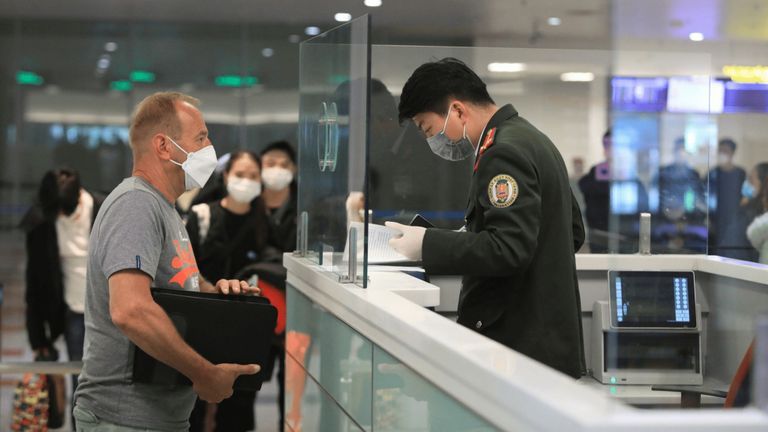
Vietnam introduced changes in regulations to reduce immigration violations. | Source: Hankkuk Law Firm
Ever since allowing e-visa entry for up to 90 days for all countries and territories in 2023, Vietnam has attracted not only a surge in foreign tourists but also a rising number of foreign criminals. In 2024 alone, 16,000 foreign nationals were reported committing offences such as robbery, drug use, and illegal immigration in Vietnam, leading to constant overloading at detention centres for foreigners.
From 2025-2026, the government has rolled out sweeping changes to immigration rules, aiming to curb violations and tighten oversight of foreign nationals. Under key legal updates, fines for overstaying can reach up to VND 40 million (USD $1519), while mandatory deportation will be immediately enforced in cases of serious or prolonged violations.
A fine of up to 40 million for overstay
Vietnam is no longer lenient when it comes to “forgetting” a visa expiry date. Under Decree 282/2025, effective from December 2025, Vietnam has introduced stricter overstay rules, which double financial penalties and trigger earlier deportation reviews compared to previous regulations.
Specifically, under the newest scale, penalties escalate quickly depending on the length of overstay: Those exceeding their visa by 1–15 days face fines ranging from VND 500,000 to VND 2 million (USD $19-76) and a formal warning. After 16 days, fines rise to VND 5–10 million (USD $190-380), triggering a deportation review. Longer overstays trigger harsher consequences: overstays of 90 days or more may incur fines of up to VND 40 million (USD $1519), along with forced deportation and long-term blacklisting.
Blacklists often last from 1 to 10 years, depending on the severity of the offence. Authorities have also expanded the scope of blacklisting, with immigration data increasingly digitalised and exchanged within the region. In practice, foreigners deported for serious overstays in Vietnam may face heightened scrutiny or even entry restrictions when travelling to neighbouring countries such as Thailand or Cambodia.
At the same time, Vietnam also requires foreigners to register their temporary residence with the authority under the Immigration Law (Amended) in 2023. Failure to declare the stay can cost the landlord up to 40 million VND. Foreigners who stay illegally may face administrative fines of VND 500,000-2 million (USD $19-76)
Immediate deportation for those unable to pay the fine
Vietnam’s new deportation rules for foreigners are now set by Decree No. 59/2026/ND‑CP, which took effect on 1 April 2026.
Under the new rules, foreigners who commit administrative violations such as visa overstay, working without proper authorisation, or misusing visa purposes can also be subject to deportation. This includes violations committed anywhere in Vietnam, including territorial waters and Vietnamese-registered aircraft or vessels.
The new rules also allow authorities to deport foreign nationals immediately if they are unable to pay fines. The penalty is suspended, not cancelled. This marks a shift from the previous “no pay, no exit” policy, which often kept violators in detention before fines were collected, and contributed to overloading in detention centres.
The new rules also establish the rights of people who face deportation. The deportee must be informed of the reasons for their removal and receive the decision at least 48 hours before enforcement.
Moreover, they can directly contact their country’s embassy or consulate and ask for a review of the decision. They are also allowed to have legal support and an interpreter when working with Vietnamese authorities.
How to legally stay in Vietnam
To legally stay in Vietnam, foreigners should first ensure they enter with the correct visa or under a valid visa‑exemption scheme. Most visitors can use the e‑visa, tourist or business visa, while several nationalities can enjoy a 30–45‑day visa‑free entry. It is essential to check the exact duration allowed and never overstay, as even a short overstay can trigger fines and may lead to deportation or future entry problems.
Foreigners staying beyond a brief visit must register temporary residence with the local police within the required time and keep their address information accurate in the system.
If you wish to stay longer, you should plan ahead to extend your visa or change status instead of simply letting it expire. Visa extensions are possible in Vietnam through authorised agencies or online services, and in many cases, the stay can be converted into a temporary residence card (TRC) for 1–5 years if you qualify as an employee, investor, or family member.
Finally, to remain fully compliant, always avoid working without proper authorisation and pay any fines or administrative obligations. Working without a valid work permit or outside the scope of the permit can result in fines, deportation, and long‑term entry bans. By keeping visas, work status, and registration in order, foreigners can enjoy a stable and legal life in Vietnam over the long term.