Why You Must Try “Chả Rươi” Before Winter Ends
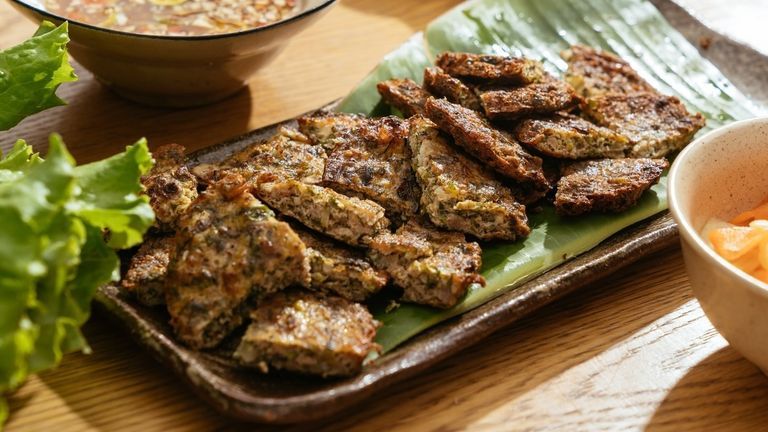
Source: Yêu Bếp/Instagram
In the 2014 Hue episode of the acclaimed television series Parts Unknown, the late legendary chef Anthony Bourdain uttered a classic sentiment, perfectly capturing his decade-long infatuation with this S-shaped land: "Vietnam grabs you and doesn’t let you go. Once you love it, you love it forever." For Bourdain, a journey to Vietnam was always a magical adventure from which he never wished to find an exit.
And as the final northern winds of winter prepare to surrender to the whimsical dampness of a Northern Vietnamese spring, that culinary adventure becomes even more urgent and captivating. Vietnam’s cold-weather cuisine is neither loud nor ostentatious. It is the sound of contented sighs beside a glowing hearth; it is the transition from light, refreshing fares to bold, rich, and piping-hot flavors. Within this steaming, aromatic tableau lies a dish that often makes international visitors instinctively frown in hesitation, only to surrender completely to its sheer sophistication after the very first bite. That dish is chả rươi – a seasonal specialty that, if you aren't quick enough, will leave you regretfully waiting for a full turn of the calendar year.
What Is Rươi And The Salvation Of Tangerine Peel
So what exactly is chả rươi that sends people into such a rushed frenzy to hunt it down? Rươi refers to a type of sandworm thriving in brackish waters, where heavy, silt-laden rivers empty into the vast sea, particularly abundant in the Red River Delta regions like Hai Duong, Hai Phong, and Thai Binh. Hearing the term "sandworm," many foreign diners might naturally recoil. But please, be patient, for Vietnamese cuisine always knows how to use its magic to transform the most humble, even bizarre, ingredients into renowned culinary masterpieces.
To create a proper piece of chả rươi, fresh sandworms are vigorously whisked with minced pork to create a binding texture and savory depth, enriched with creamy eggs, a fiery kick of fresh chili, scallions, and dill. And crucially, thinly julienned tangerine peel must never be absent. This pungent, zesty peel, seemingly inconsequential, acts as a magic wand that shatters the earthy, muddy scent of the riverbed, elevating and highlighting the intoxicatingly rich and fatty flavor of the rươi. This combination is not just an artistic juggling of flavors; it is deeply rooted in the Vietnamese philosophy of Yin, Yang, and the Five Elements of Eastern medicine. The "Yin" (cold) nature of the sandworms dwelling deep in the mud is perfectly neutralized by the "Yang" (warm) essence of the tangerine peel resting on the earth.
A Special Culinary Gift Of Vietnamese Northern Winter
The reason chả rươi is an absolute "must-have" survival dish of winter lies in the irony of nature. Vietnamese folklore holds a traditional proverb: "The twentieth of the ninth lunar month, the fifth of the tenth." When the lunar calendar strikes these exact dates, as the biting chill of early winter descends, the sandworms simultaneously rise to the water's surface. And as the cold waves gradually fade to close out the winter, the rươi silently vanish along with them.
“Missing out on rươi during its season is akin to a beautiful woman letting her youth slip away.”
Vu Bang, Delicacies of Hanoi or A Taste of Hanoi (1957)
You cannot casually demand fresh rươi year-round. It is a fleeting gift from heaven and earth, a mere blink in the harvest season. The late writer Vu Bang, in his culinary masterpiece Delicious Dishes of Hanoi (Miếng ngon Hà Nội), once passionately wrote that missing out on rươi during its season is akin to a beautiful woman letting her youth slip away. Savoring a piping hot piece of chả rươi at this moment is an attempt to salvage the final, frosty days of winter. The fritter is deep-fried in a sizzling pan of fat, releasing an intoxicating, rich, and earthy aroma intertwined with tangerine essential oils. It comforts every shivering sense, delivering a profound satisfaction to officially draw the cold months to a close, making way for a season of rebirth.
Eating Chả Rươi Like A Local
To hold onto this lingering autumn-winter soul, throw on a warm coat and stroll through the ancient streets of Hanoi on a late afternoon. Seek out the old city gates and alleys like O Quan Chuong, Hoe Nhai slope, or Lo Duc street. You won't need Google Maps; your nose will automatically be lured by the unmistakable, signature aroma swirling and thickening in the fragile, lingering mist of the cold air.
An exceptional piece of chả rươi must boast a perfectly seared, crispy outer crust with a mouthwatering golden-brown hue, while the inside remains moist, tender, and fluffy from the eggs and sandworm meat. A true gourmand will use scissors to cut the fritter into bite-sized pieces, dip them generously into a bowl of sweet and sour fish sauce spiked with fresh chili and black pepper, and pair them with a few sprigs of fresh cilantro and a tangle of pristine white rice vermicelli. The piping heat of the freshly fried fritter, the smooth umami of the fish sauce, and the refreshing crunch of the herbs will all come together to create an explosive symphony of flavors in your mouth.
Back To The Starting Line Before The Warm Winds Arrive
Bourdain was absolutely right to call Vietnamese cuisine an inescapable adventure, and chả rươi is undoubtedly one of the most mysterious, precious, and... shortest "shelf-life" chapters of that book.
Beneath a silvery-grey sky on the verge of transitioning to a new season, a humble plate of chả rươi holds within it a profound layer of culture, history, and the Vietnamese people's fierce harmony with nature. It is not merely a dish served to fill an empty stomach; it is an experience that teaches us to cherish the authentic and fleeting things in life. As winter is now numbered in mere days, if someone offers you a steaming piece of chả rươi on a small street corner, boldly cast aside any hesitation and taste it immediately. Because once the cold passes, the silt will close over, and you will have to wait a full year to once again taste the magical flavor named winter.