


In the film Whiplash, audiences were left haunted by the bloodied hands of Andrew, a young music student who drums himself raw in pursuit of greatness under the brutal, relentless torment of his teacher, Fletcher.
The world behind the doors of a professional kitchen is, in truth, every bit as scorching and suffocating as that drumbeat. It isn't only warm golden light and plates finished with practiced flair; it is the barked orders when tickets pile up, the blistering burns, and the invisible weight of the gold standards set by those who came before.

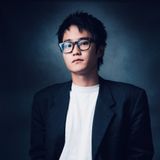
Nguyen Quoc Trung entered that world with a major advantage — one that was also a cramped cocoon, spun from the guidance of his older brother, a seasoned head chef. In his early days after leaving his hometown of Tây Ninh for Saigon, Trung sheltered beneath that steady shadow and was trained with a strictness that bordered on suffocating. But deep down, he knew that if he stayed the obedient, perfect copy of his brother, he would forever be a cook waiting in the wings.

To climb onto the podium at the Rising Chef Challenge 2026, the 23-year-old decided to tear open his own safe cocoon. He chose to elevate familiar flavors through a fierce devotion to Tây Ninh. In Trung's hands, the skin-searing Tây Ninh sun, the fiery bite of chili salt, Gò Công mắm tôm chà (pounded shrimp paste) and handfuls of wild forest greens gradually shed their old skins. They take on the finesse of contemporary cuisine while defiantly holding on to their Southern Vietnamese soul.
Taking "Vị Nhà" (Taste of Home) to a runner-up finish is more than a tribute to his mother's home cooking. It is also how Trung has tempered himself outside his comfort zone and stepped, one stride at a time, out of the long shadow of a mentor he holds dear. But before reaching these first milestones in his culinary journey, how did Quốc Trung make it through his first trials by fire?
I want to cook, and I know I can make it.
What first brought you to cooking and to the world of professional kitchens?
Honestly, it started back in high school. Whenever we had camping trips or school events, I'd volunteer to cook for the class. But my biggest motivation came from my older brother, who has worked in kitchens for more than ten years. Watching him work fascinated me. After finishing high school, I decided to follow in his footsteps and pursue this passion.
My family was another big source of inspiration. My father is a farmer from Tây Ninh. Growing up, every time I came home, my mom would cook canh chua (sour soup) for me. Tây Ninh has some very special leaves for canh chua, like lá bứa and rau tần dày lá (Cuban oregano). That humble inspiration is what I brought into my competition entry: I wanted to elevate my mother's home cooking and introduce it to fine-dining guests.
Traditional-minded parents usually hope their children will land stable office jobs. When you got serious about cooking, how did your family react?
When I finished high school and didn't register for the university entrance exam like my classmates, my parents were puzzled. I told them, "I want to cook, and I know I can make it." At the time, they weren't exactly happy or supportive. But now that they've seen my effort and what I've achieved, they understand and support me wholeheartedly.
The strictness that used to frustrate me turned out to be the best thing that could have happened to shape my path in this profession.
Your brother wasn't just an inspiration - he was also your first teacher. What lesson from him do you still treat as your guiding principle?
I apprenticed and worked under him for nearly three years after I first moved to Saigon. When you work with family, the demands are far tougher than anywhere else. He was always serious and always pushed me beyond my limits.
I remember when catering was just taking off, with events ranging from canapés and buffets to set menus. Sometimes I'd just be lifting my rice bowl to eat when he'd turn and quiz me like a teacher calling on a student: "What's the burger recipe? How do you make a tart? How's the salmon mousse done?" Honestly, it really got on my nerves back then.
But thanks to that strictness, to this day I never need to pull out my phone or a book to check a recipe; it's all in my head. "The strictness that used to frustrate me is, looking back, the best thing that could have happened to shape the way I work." For me, finding a teacher – a mentor who genuinely cares – while you're still a blank slate determines 70 to 80 percent of a chef's foundation.

Stepping out of your teacher's shadow is one way of repaying everything they taught you.
There's a saying: a teacher can teach you everything, but to truly grow, you have to step out of their shadow and do better. When do you think a young chef should leave their mentor's "comfort zone"?
That depends on each person's own awareness. For me, when I decided to leave and build my own path, I had only one thought in my head: "I have to do better than where I am now, and create something of real value so I can repay my teacher for everything he taught me."
If you stay in your comfort zone forever, you'll never break through. To me, breaking through doesn't have to mean earning a Michelin star or doing something extravagant. It simply means doing better than you did yesterday.

A chef must learn to pour their emotions into the food, not into the noise of the kitchen.
Many people see cooking as a glamorous profession because of what they see on social media. What is the real brutality behind the kitchen doors that only insiders understand?
Seeing beautiful dishes and crisp uniforms, a lot of young people new to the industry assume everything is very glamorous. But the real pressure on whoever's at the stove isn't just a full dining room. It's having to send food out right on time; it's when the restaurant is fully booked and you can't let guests wait too long.
Kitchens are hot by nature, and there will inevitably be moments when tickets pile up, a dish goes wrong, or people are shouting in frustration. My advice is: "No matter how chaotic, loud or negative things get around you, stay laser-focused on your own work. Put your emotions into the food, not into whatever noise is happening in the kitchen." As long as guests eat well and leave without complaints at the end of service, all that pressure melts away.
If it doesn't work once, try 10 times. If it doesn't work 10 times, try 100.
In culinary, everyone has a different opinion. When diners give you negative feedback, how do you handle it?
I'm only 23 and I've been cooking for five years. When a guest doesn't enjoy something, I treat it as motivation. My thinking is very simple: if it doesn't work once, try 10 times. If it doesn't work 10 times, try 100.
No dish can please everyone. But the toughest standard I set for myself is this: "When I create a dish, diners should be able to taste the message I want to convey, and they should say: 'Ah, this has to be one of Trung's.'"

The round I'm most impressed by and proudest of wasn't the final.
Speaking of conveying a message, which round of the Rising Chef Challenge 2026 made you proudest and best showcased your own style?
Surprisingly, the round I'm most proud of was the online round, not the final. I spent about a week developing the concept. In the end, I decided to bring my mother's "Tây Ninh Beef Family Meal" to a fine-dining table.
A typical Tây Ninh beef meal comes with sour beef soup, bò kho (beef stew) with lemongrass and pepper, and a basket of wild greens. I refined every element. For the canh chua, instead of tamarind or lá giang leaves, I used lá bứa (roselle, or hibiscus) and rau tần dày lá, both signatures of my hometown, to create a fragrant sourness. For the bò kho, I used beef tendon, braised with Mekong Delta nipa palm syrup and Gò Công mắm tôm chà for a beautiful color.
Instead of plain steamed rice, I dried ST25 rice and fried it until puffed so it stays perfectly crisp. Finally, instead of a traditional Argentine chimichurri, I used Tây Ninh's own wild greens with tầm bóp (wild golden berries) to add an accent. That entry was pure ambition: to elevate the meals of my homeland and bring the humblest pieces of our culinary heritage to a wider audience.

With every dish, I want to spark curiosity with the presentation, but knock diners out with the original flavors.
In your view, what's the most essential element when "elevating" a traditional dish?
The most important thing is to keep the dish's most rustic soul. My philosophy is: "Spark curiosity with the presentation, but knock diners out with the original flavors. People look at the plate and can't tell what it is, but the moment they taste it, they should go: 'Wow, this is exactly Tây Ninh bánh canh, this is the canh chua from home.'" That's what a truly successful elevation looks like.
If you had the power to make your biggest dream come true in the next 10 years, what would it look like?
I want to open a restaurant in my hometown of Tây Ninh, somewhere near the foot of Bà Đen Mountain. It doesn't need to be big, just 50 guests at most, so I can take care of every detail. The space would feel as warm as sharing a meal with family, but the food would be thoroughly professional and leave guests with a beautiful, unforgettable memory.

As a professional chef, if you had to cook to win back your partner's good mood, what would your secret be?
(Laughs) There's no fancy recipe or secret. What matters most is attentiveness. Notice which flavors she likes and which ingredients she enjoys, then put all your heart and sincerity into it. That's enough.
Thank you, Quoc Trung, for such an inspiring conversation. We hope you'll soon open your dream restaurant at the foot of Bà Đen Mountain!
The Rising Chef Challenge is part of Flavors Việt Nam 2026. This year, the event is co-organized with Royal Arctika, offering standout experiences and helping spread Vietnam's F&B culture.
Special thanks to the sponsors and partners of the Flavors Rising Chefs Challenge 2026: Gold Sponsor: Royal Arctika; Bronze Sponsor: SpeedPOS; Trusted Partners: V Horeca, H Cookware, Lý Gia Viên; Official Ingredient Partners: Annam Group, Kamereo.