



Hinduism is considered one of the largest and oldest religions in the world. Vietnam is largely considered a secular nation. At first glance, these two couldn’t be any further apart. Yet in the heart of Ho Chi Minh City, Vietnamese people visit large Hindu temples daily to pray for love, luck, health and wealth. So why is it that local Vietnamese seek spiritual blessings inside temples built for the gods and goddesses they don’t officially worship?
How Did Hindu Temples Come To Vietnam In The First Place?
Before diving into what local Vietnamese actually do in these historic Hindu temples, let’s look at when and why they were established in Vietnam.
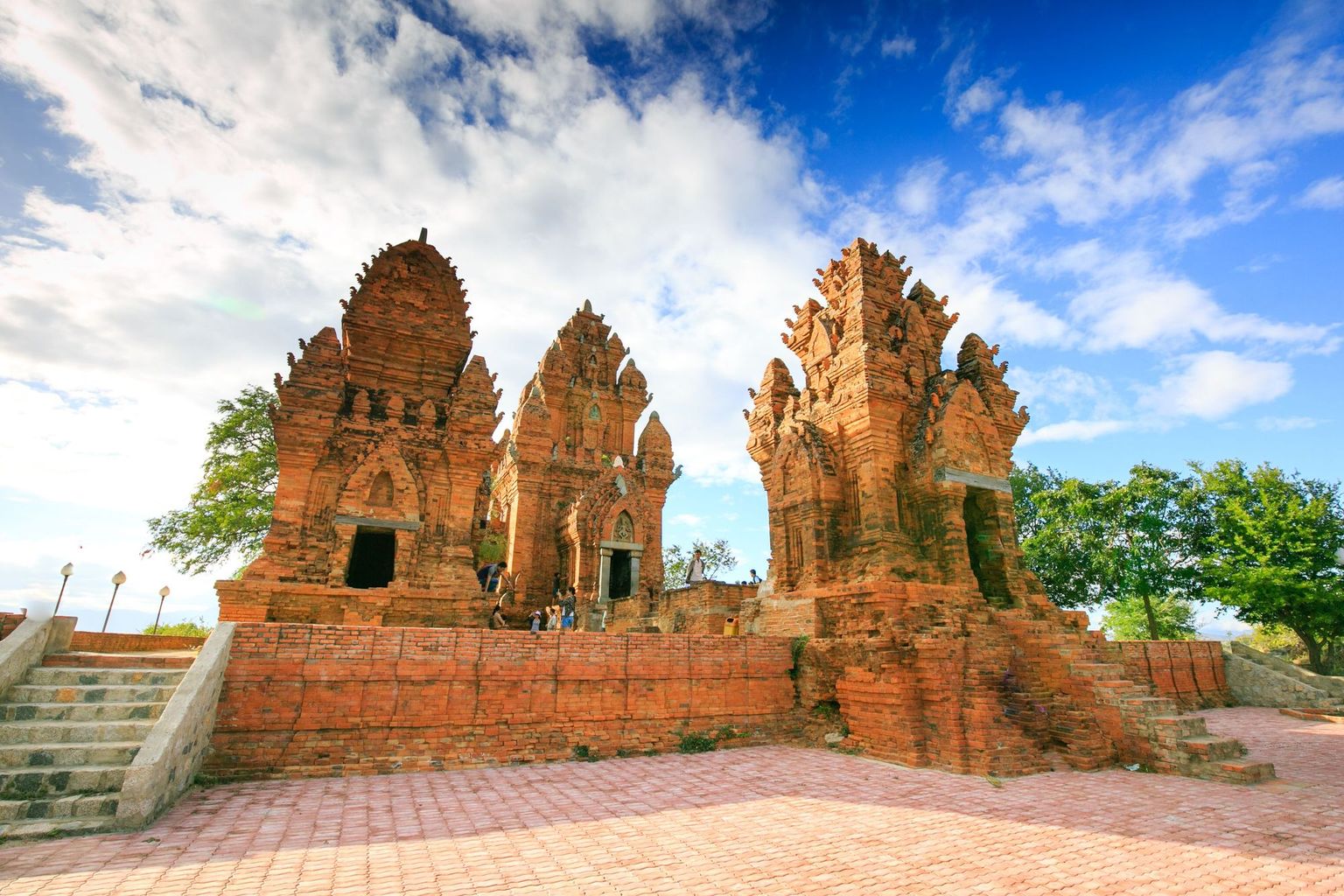
The religion of Hinduism first arrived in Vietnam around the 4th century through the influence of the Champa civilization which settled and built a kingdom across the coastal regions of central and southern Vietnam. They brought with them their official state religion of Hinduism that blends between the traditional Indian model and their indigenous characteristics. Ancient Hindu temples took root from this point on.
Another notable movement was during the 19th century when a large number of Tamil merchants and traders migrated from Pondicherry - a city in India under the French colonial rule at the time - to southern Vietnam. The Tamils constructed and established three prominent Hindu temples in today’s Ho Chi Minh City - The Mariamman Hindu Temple, Subramanya Swami Temple, and the Sri Thendayuthapani Temple. Most Indian families left Vietnam after 1975, leaving the temples preserved physically while transitioning into cultural/historical sites adopted by local Vietnamese.
The Reason Why Secular Vietnamese Visit Hindu Temples Daily
Vietnam ranks number one in Southeast Asia and 15th worldwide on the chart of secularity. But in Vietnam, “secular” doesn’t mean a complete absence of faith. While few locals still formally follow organized religions like Buddhism and Hinduism, nearly half of the population follows a practice known as the Vietnamese folk religion.
Vietnamese folk religion is a set of local worship traditions that honors protective spirits known as “thần”. These spirits can be natural gods and goddesses, national heroes, or community protective deities. Hindu temples offer the divine presence of deities like Goddess Mariamman (mother goddess associated with fertility and healing) or Lord Subramanya Swamy (god of war, victory, intelligence and wisdom). For secular locals, spiritual power isn’t confined by a single doctrine or tradition, a blessing from Goddess Mariamman or Lord Subramanya carries equal validity as an offering to local pagodas or ancestral worship. Driven by this sense of pragmatic polytheism, secular Vietnamese go to Hindu temples to seek for personal blessings like luck, love, happiness or prosperity. The type of prayers vary depending on which temple you go to and which deity you pray to.

Rather than being limited by a singular religious framework, local Vietnamese people adopt a sense of spiritual inclusivity when it comes to seeking blessings, welcoming any deity who offers protection and peace into the community.
The Big Three Temples In Ho Chi Minh City
While there are many sacred Hindu Temples across Vietnam, Ho Chi Minh City is widely known to be the center of many active Hindu Temples worshiped by Vietnamese communities and Indian descendents.
1. Mariamman Hindu Temple (Chùa Bà)

Commonly referred to as “Chùa Bà Ấn Độ” by locals, which can be translated to “The Mother Temple”, the temple is a house to Goddess Mariamman. She is revered as the mother goddess of rain, fertility, health, disease prevention, and prosperity.
With vibrant colors and sophisticated carvings of natural deities, locals visit “The Mother Temple” daily to pray for protection from illnesses and misfortunes, financial success and career growth, happy marriages and family peace. Worshippers also often make offerings with fresh flowers and fruits while burning incense sticks on or near the altar. A signature ritual worshippers often do is pressing their hands or foreheads directly against the sacred stone walls and pillars around the shrine to absorb the spiritual energy and feel more connected to the Goddess. People believe the spiritual energy is more powerful from the walls because the stone slabs were originally imported from South India during construction and has been exposed to decades of daily prayers and spiritual rituals, locals often whisper their personal sorrows or confessions directly to the Goddess through the walls, an interesting practice to try on your next visit!
Address and operating hours:
- 45 Trương Định Street, Bến Thành Ward, District 1, Ho Chi Minh City
- Open daily from 9:00 AM – 8:00 PM (briefly closes mid-day around 12:00 PM – 1:00 PM for cleaning/break).
Local tip:
After your visit, treat yourself to a cup of tàu hủ đá, a beloved Saigon tofu dessert. The Trương Định street stall near the temple has long been a local favourite, with soft tofu, crushed ice and creamy coconut milk. It’s a sweet way to round off a cultural detour.
2. Subramanya Swamy Temple (Chùa Ông)

Similarly, this well-known temple is referred to as “Chùa Ông Ấn Độ”, which is “The Father Temple”, the temple worships Lord Subramanya Swamy. He is the Hindu god of war, victory, courage and wisdom, he carries his divine spear called the Vel.
The temple captivates visitors with its unique architectural style that blends elements of history and culture into its structure. Locals often pray for courage, overcoming obstacles or conflicts, legal resolution, wisdom for exams, career advancement, and protection against negative energies. Unlike The Mother Temple, people don’t whisper into the sacred stone walls here, they practice a ritual called Pradakshina or circumambulation. This practice is widespread across many traditional Hindu temples, devotees would walk clockwise around the inner shrine three times while quietly chanting prayers. Locals also bring offerings of sweet fruits and flowers or coconuts to honor the Lord as well.
Address and operating hours:
- 98 Nam Kỳ Khởi Nghĩa Street, Bến Nghé Ward, District 1, Ho Chi Minh City.
- Open daily from 7:00 AM – 6:00 PM.
Local tip:
Some Saigon worshippers consider Chùa Ông especially linh (spiritually powerful), making it a popular place to pray for courage, success and help with life's obstacles. This is a matter of personal belief rather than something that can be objectively measured. If you visit, take your time to observe how worshippers make their offerings and prayers, rather than treating the temple as just another sightseeing stop.
3. Sri Thendayuthapani Temple

This temple is also a sacred site devoted to Lord Subramanya Swamy, as the name “Sri Thendayuthapani” is one of his revered aliases.
The architecture of the temple narrates stories of Hindu mythology through the many paintings and sculptures on the wall, creating a harmony between historical structures and mythological legacy. The temple is a central hub for major Tamil Hindu festivals in Ho Chi Minh City, for example, during Thaipusam (Jan/Feb), devotees perform special vows and rituals (Kavadi carrying). There is also an oil lamp lighting ritual where devotees would light rows of traditional clay oil lamps during evening prayers.
Address and operating hours:
- 66 Tôn Thất Thiệp Street, Bến Nghé Ward, District 1, Ho Chi Minh City.
- Open daily from 5:00 AM – 8:00 PM.
Local tip:
If the temple is open and access is permitted, ask whether you can visit the rooftop. Some visitors recommend it for a different perspective on the surrounding city. Inside, take a moment to appreciate the colourful depictions of Hindu deities, and keep your voice low so as not to disturb anyone praying.
An overall cultural note for visiting is to avoid wearing real leather items like belts or bags inside as a sign of respect for sacred animals in the Hindu religion, shoes must also be removed when stepping onto the temple floor and appropriate clothes must cover the shoulders and knees. While there is no cost of entrance for these temples, offerings and small donations are often encouraged and valued when visiting.
In a city as fast-paced and secular as Ho Chi Minh, the Hindu temples offer a quiet escape to a universal connection for happiness and peace. Whether you are whispering into sacred stone walls, performing circumambulation, or admiring the beautiful cultural architecture in the heart of Ho Chi Minh city, Hindu temples stand as a timeless reminder of the city's open-hearted spirit and rich multicultural soul.