



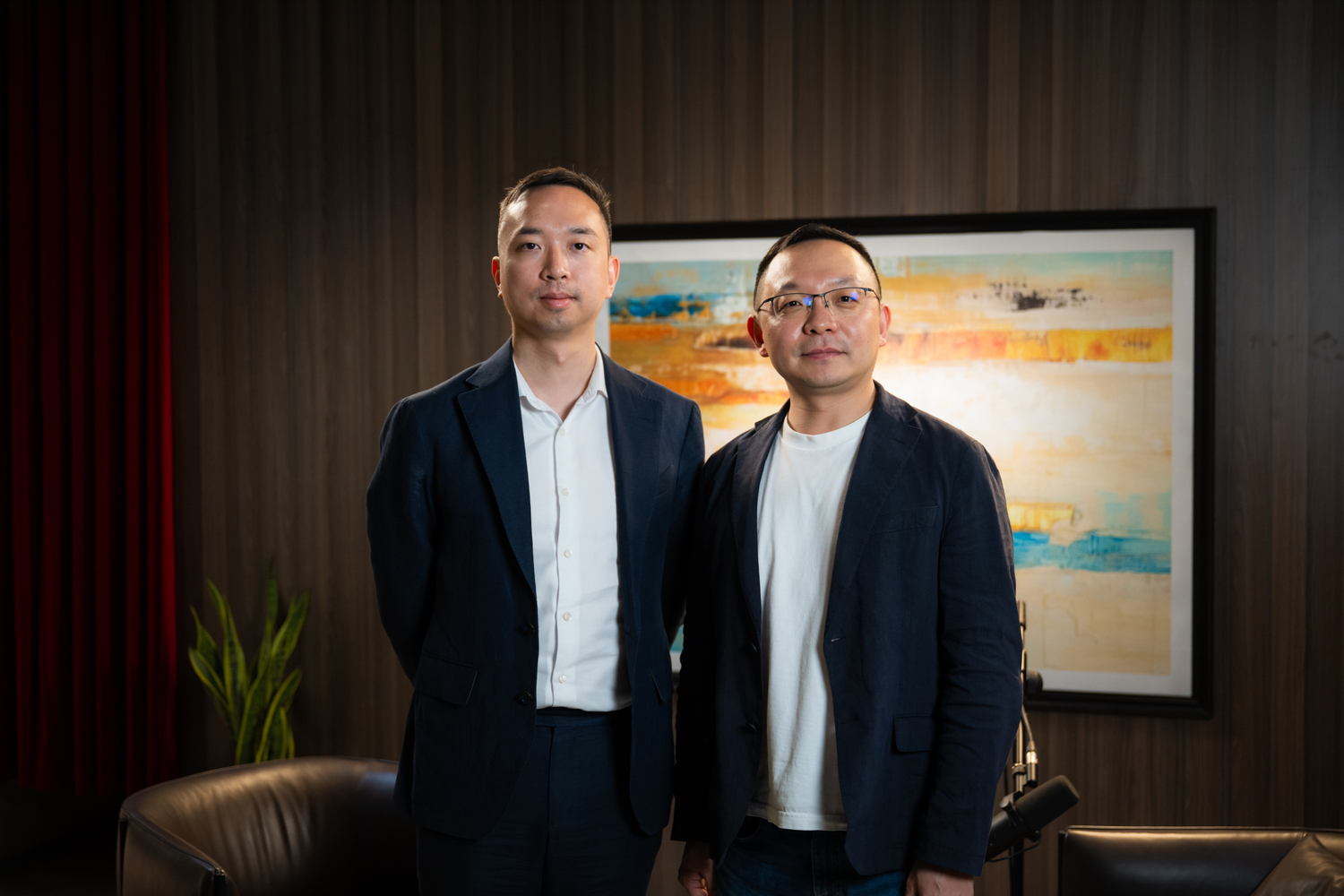
When I sat down with Larry Hu, Head of Amazon Global Selling for Southeast Asia, on the Vietcetera podcast a few weeks ago, one line of his stuck with me. He said the future of Vietnam’s exports wouldn’t be decided by how much we ship, but by what we build.
At the time, it sounded like the kind of thing executives say to be polite about a market they want to grow in. Today, watching Amazon’s 2026 E-commerce Export Summit unfold in Ho Chi Minh City, the comment reads less like diplomacy and more like a thesis.
The summit, themed “Ready to Takeoff. Built for Global Success,” is Amazon’s clearest signal yet that it sees Vietnam not just as a sourcing destination but as a brand-building one. The numbers back the bet. According to fresh Access Partnership research surveying 300 Vietnamese MSMEs in furniture and fashion, 93% identified e-commerce export as critical to their future growth, and 96% said selling cross-border has strengthened their global competitiveness. Those are not the responses of a manufacturing base. They are the responses of operators who have figured out that the margin lives downstream of the factory.

Two categories Amazon is staking its strategy on tell the story most clearly. The first is wood and furniture, packaged under a “V-Wooden” banner. Vietnam is already one of the world’s largest furniture exporters, but the model has historically been wholesale, white-labeled, and quietly invisible to the end consumer. Access Partnership now projects B2C e-commerce export revenue in this category to grow more than twice as fast as overall furniture exports through 2029. That gap is where the prize sits, and it requires our factories to behave like brands. Different muscle, different mindset.
The second is personalized gifting, the “V-Gifting” play, anchored on the Amazon Custom Program. This one is closer to my heart because it leans on something we have always done well as a country but rarely monetized: storytelling. Personalization is not really about engraving a name on a mug. It is about emotional design at scale, fast turnarounds, and a willingness to let the customer co-author the product. Vietnam has the manufacturing agility for it. The open question is whether our founders have the brand instincts to match.

Layered on top is Amazon’s “Next-Gen Selling” experience, an AI-native reworking of the seller platform that bundles hundreds of tools into role-based workspaces, with native AI doing the heavy lifting on consumer insight, localized content, and listing optimization. Combined with Fulfillment by Amazon, Amazon Global Logistics, and Supply Chain by Amazon, the proposition is that a small business in Bình Dương can run a global operation with the back office of a multinational. It is a significant flattening of the playing field, if Vietnamese sellers choose to use it.

Here is the Vietcetera point of view. The last twenty years of Vietnam’s export story was built on cost, scale, and discipline. The next twenty will be decided by something we have historically been weaker at: brand patience. Building a global consumer brand is slow, expensive, and unforgiving in a way that fulfilling an OEM contract is not. It demands real investment in design, customer service, and a reputation that compounds rather than discounts. Tools like AI listings and FBA logistics solve the operational headaches. They do not solve the cultural shift required for a Vietnamese founder to look at a product not as a unit of output but as a relationship with a customer ten thousand kilometers away.
That cultural shift is the conversation worth having now. The infrastructure is finally arriving. The platforms are courting us seriously. The data shows our SMEs are ready. What is missing, in my view, is a louder national conversation about brand-building as a discipline, taught and celebrated the way we currently celebrate factory expansions and export volumes.
When Larry talked to me on the podcast about Vietnam’s next chapter, his framing was about differentiation and trust. The summit today operationalized it. The question for the next few years is whether Vietnamese founders treat this as a logistics upgrade or as the start of something more ambitious. I am betting on the latter.