Before Your Next Beach Trip: 5 Questions That Could Matter More Than You Think
Source: Cattour
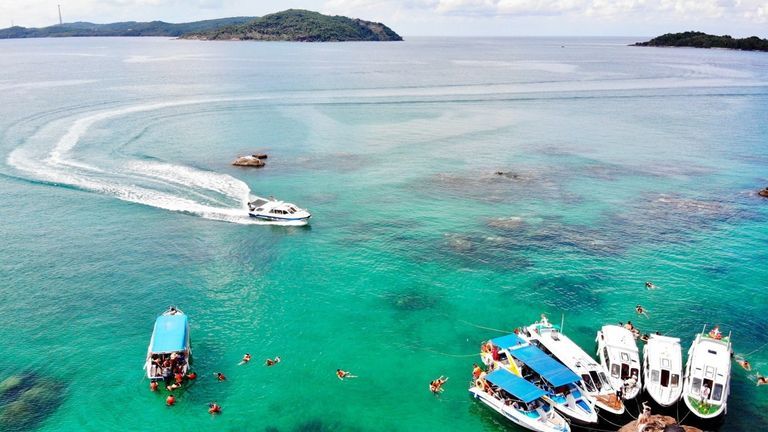
As summer temperatures climb, Vietnam's beaches continue to draw record numbers of travelers. In the first half of 2026 alone, Phu Quoc welcomes more than 5.7 million visitors, up 30.2% from a year earlier. Phu Quy receives over 126,000 visitors, with high-speed ferries frequently fully booked, while Nha Trang's tourist pier handles around 6,000 passengers a day on average - surpassing 10,000 on busy weekends.
However, the tourism boom has also coincided with a series of water transport accidents in recent years, the latest of which was a fatal speedboat capsize off Phu Quoc - one of Vietnam's most popular island destinations. Travel should be about relaxation and new experiences - not disaster. Therefore, before boarding a ferry, speedboat or any other tourist vessel, it's worth asking yourself a few important questions first.
1. What Kind Of Transport Will You Be Traveling On?
Different destinations call for different types of water transport. In Vietnam's Mekong Delta, that might mean a small wooden boat or a local ferry. A trip to Phú Quý usually involves a high-speed ferry or speedboat, while exploring Hạ Long Bay or Nha Trang Bay often means boarding a tour boat, a glass-bottom boat or a tender. In Tràng An and Tam Cốc, visitors travel by hand-rowed boats through rivers and limestone caves. Knowing what you'll be traveling on can help you prepare for the journey and react more confidently if the unexpected happens.
Take canoes, for example. They come in many different designs depending on their purpose, from recreational rides and sightseeing tours to rescue operations. Some are open, while others have enclosed cabins. According to Mr. Trần Ánh Dương, Deputy Director General of the Vietnam Register, neither design is inherently safer than the other. Each must meet its own technical standards for stability, buoyancy and safe operation. That said, enclosed cabins can make evacuation more difficult in an emergency.
Before you book, ask your tour operator what type of boat you'll be traveling on and do a little research yourself to understand what to expect. Once on board, take a moment to locate the emergency exits and think about the quickest way out from where you're seated. If safety instructions are provided, don't skip them.
2. Who Is Responsible For Your Safety? Is the Boat Properly Licensed?
On most speedboats and tour boats, passengers typically know only the captain and the tour guide. In reality, however, there's often a larger crew working behind the scenes to keep the trip running safely.
Knowing who's responsible for your safety can make a real difference if something goes wrong. Whether it's a missing life jacket, a jammed cabin door or any other issue, you'll know exactly who to turn to.
Just as important is the boat itself. In Vietnam, passenger boats operating tourism services are required to meet licensing and inspection requirements, depending on the type of operation. Yet unlicensed or improperly certified vessels still exist, particularly in the private charter market.
As a passenger, don't hesitate to ask the operator whether the boat is properly licensed and has passed the required inspections - especially if you're hiring a private boat or speedboat. A reputable operator should have no reason to avoid those questions.
3. Is The Weather Forecast Enough?
Many serious boating accidents are described the same way: the weather looked fine - until it wasn't. Calm skies can give way to strong winds and rough seas much faster than most travelers expect.
Before setting off, don't rely solely on a weather app. Check for marine weather forecasts, storm warnings and any local advisories that may affect boat operations. If authorities have restricted or suspended departures, take those warnings seriously.
It's also worth asking your tour operator about the planned route and whether any stretches of the journey are likely to encounter rough seas. Knowing what to expect can help you prepare and decide whether it's worth making the trip at all.
4. Will A Life Jacket Save You?
It can - but not in every situation.
After the 2025 tour boat capsized in Ha Long Bay that claimed 34 lives, reports indicated that 80–90% of the victims recovered from the vessel were wearing life jackets. In other words, many passengers had already put them on after the captain warned of deteriorating conditions.
A life jacket is one of the most important pieces of safety equipment on board, but it isn't a guarantee of survival. Factors such as the severity of the accident, sea conditions, and whether passengers can escape the vessel in time all play a role.
Under Vietnam's regulations, passengers are required to wear life jackets throughout the journey on river-crossing ferries. For longer trips at sea, however, they are typically instructed to put them on only when the captain determines there is a safety risk.
Life jackets are designed to keep you afloat, but their buoyancy can also make movement more difficult in certain emergencies. Inside a confined cabin, for example, a fully inflated life jacket may make it harder to squeeze through narrow openings or escape hatches. If an exit is submerged and requires passengers to dive underwater before resurfacing, buoyancy can also make that maneuver more challenging. That's why knowing where the emergency exits are - and how to reach them - matters just as much as wearing a life jacket.
5. What Should You Prepare For An Emergency?
"The biggest mistake people make is thinking about safety only after an accident happens," says Mr. Trần Việt Phường, Chairman of the Mekong Delta Tourism Association. "In reality, safety begins long before a boat leaves the dock."
Sometimes, being prepared means taking a few simple steps: keeping your phone in a waterproof pouch, saving your tour operator's contact information, and noting the local emergency or rescue numbers if you're traveling independently. Those small preparations can save valuable time when every second counts.
More importantly, invest in basic safety skills before any trip on the water. Knowing how to swim - or at least stay afloat - along with CPR, basic first aid and the proper use of safety equipment can make a critical difference.
According to Mr. Phạm Quốc Việt, leader of the FAS Angel first-aid response team, water survival skills remain a blind spot for many Vietnamese people. Beyond swimming, he recommends learning techniques such as the HELP (Heat Escape Lessening Posture) position for conserving body heat when alone, and the HUDDLE position when in a group to reduce heat loss while waiting for rescue.
Conclusion
These five questions are designed not to eliminate every risk, but they can help you travel more prepared - instead of leaving your safety entirely in someone else's hands.
Vietnam's rivers, islands and coastline will continue to attract millions of travelers in the years ahead. Making every journey a safe one starts long before you step on board: ask questions, stay alert and take responsibility for your own safety. It may be the most important thing you pack for the trip.