Can Foreigners Own A Home In Vietnam?
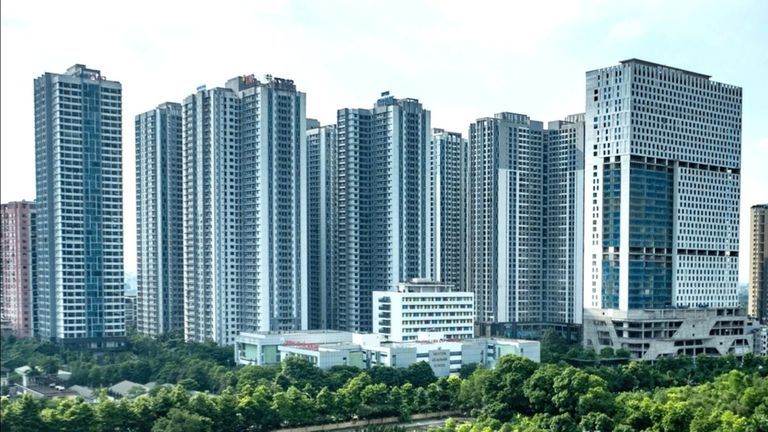
It’s not impossible for non-citizen to buy property in Vietnam. | Source: Cafe F
Since 2014, Vietnam has allowed non-Vietnamese citizens to own properties in Vietnam, marking a major shift from its previously restrictive housing policies. The revised Housing Law in 2023 continues to provide a legal framework that recognises foreign buyers as legitimate participants in the property market.
Still, that door is only partially open. Foreigners can purchase homes only through a limited, regulated form, with specific rules on eligibility, property types, ownership duration, and quotas within each project.
Real estate expert Vo Thanh The said that although it’s not impossible for non-Vietnamese citizens to own a property in Vietnam, understanding the current regulation is essential before making any commitment
Here’s what you need to know about foreign homeownership in Vietnam.
Three groups of non-citizens can buy properties in Vietnam
Under Housing Law 2023, three groups of non-Vietnamese can be eligible for owning a property in Vietnam, including:
- Foreign individuals who are permitted to enter Vietnam: This includes foreigners holding a valid passport and either a visa or visa exemption to enter Vietnam. They are eligible to purchase commercial housing, such as condominium units or landed houses within approved residential projects. The key requirement is that they must have a lawful residence status in Vietnam.
- Overseas Vietnamese (Viet Kieu): These are Vietnamese citizens or people of Vietnamese origin who have been residing abroad long-term. They enjoy nearly the same housing ownership rights as Vietnamese citizens. To confirm this status, they must present a valid passport along with official documents proving Vietnamese nationality or origin.
- Foreign organisation operating in Vietnam: These include foreign-invested enterprises, branches or representative offices of foreign companies, foreign investment funds, and foreign bank branches. These organisations must hold an Investment Certificate or Investment Registration Certificate issued by the Vietnamese authorities. They may own housing for purposes such as office use, staff accommodation, or other business-related needs.
Foreigners can only buy from foreign-related projects
Not all commercial housing projects are open to foreign buyers. Under the 2023 Housing Law, foreigners can only buy properties from foreign-related housing projects—those that are approved for sale to foreign buyers, and follow a specific licensing and approval process.
By the end of 2025, there are 88 foreign-related projects in Ho Chi Minh City, including: Masteri Thao Dien (in Thao Dien area), The Panorama, Riverpark Residences, Sky Garden, Scenic Valley (in Phu My Hung area), The Privé (in Binh Trung ward)…
Even within these projects, foreign buyers are subject to strict quotas: they can only purchase no more than 30% of the total apartments in a condominium building, or up to 250 landed units within an administrative area equivalent to a ward.
“Within these projects, foreigners cannot purchase units already owned by Vietnamese buyers. They can only buy from the project developer, within the 30% quota allocated for them, or from other foreign owners” - real estate expert Vo Thanh The noted.
Vo Thanh The also noted that many major developers in Vietnam remain hesitant to build commercial projects eligible for foreign buyers.
For Bcons, a major developer with numerous projects in the former Binh Duong province, 20–30% of their demand comes from foreigners. However, demand alone is not enough to motivate them to pursue a foreign-related project.
“Foreign-related projects require far more complex paperwork compared to standard housing projects sold only to Vietnamese buyers,” Vo Thanh The explained.
“Developers typically prioritise a smoother process, from obtaining licenses to issuing land ownership certificates, to ensure their customers face no legal uncertainty. For that reason, many choose to develop non-foreign projects instead.”
Overseas Vietnamese can buy, but cannot build houses
Overseas Vietnamese who no longer have a Vietnamese citizenship are still eligible to buy a house with no limitation on quantity or ownership ratio.
According to the 2024 Land Law, overseas Vietnamese of Vietnamese origin are permitted to own houses with attached residential land use rights in Vietnam. They may also purchase properties in any housing development project, without being restricted to foreign-related projects or subject to the quotas applied to foreigners.
In order to obtain that, they must hold a valid foreign passport and must also have documents proving their Vietnamese origin in accordance with nationality regulations.
However, according to Lawyer Tran Minh Hung of the Ho Chi Minh City Bar Association, the current law does not allow overseas Vietnamese without Vietnamese citizenship to own vacant land for the purpose of building a house. They may only purchase existing houses or properties within approved housing projects, and cannot buy land to construct a new home as domestic Vietnamese citizens can.
Avoid legal pitfalls before purchasing a property in Vietnam
Real estate expert Vo Thanh The advises foreign buyers to verify the legal eligibility of any property before placing a deposit. Foreigners are not permitted to purchase standalone houses or land plots, nor can they buy property located within “restricted areas” designated for national defence and security, such as border zones.
For housing projects, Vo Thanh The cautions that buyers must confirm whether the project is officially classified as “foreign-related” and check whether the 30% foreign ownership quota has already been filled. Without these conditions, foreigners cannot obtain residential land use rights for the property.
“These details are typically found in the project’s construction license or the developer’s land use rights documents. Buyers should request to review them carefully before proceeding with any purchase,” Vo Thanh The said.
For overseas Vietnamese, Lawyer Tran Minh Hung warns against the act of letting acquaintances or relatives in Vietnam hold land use titles on their behalf.
“The one whose name appears on the ownership certificate has full legal authority over the property. If disputes arise or personal relationships change, the person who provides the funds to purchase the property may face difficulties protecting their interests”, he wrote on VnExpress
For those who do not meet the eligibility requirements, there are still alternative options to live in or use residential property in Vietnam. These typically include long-term leases, co-ownership arrangements with legally eligible parties, or renting instead of purchasing. However, none of these alternatives grants full ownership rights, and all must comply strictly with Vietnamese law.