Ho Chi Minh City To Be Drug-Free By 2030: How To Enjoy A Legal Nightlife
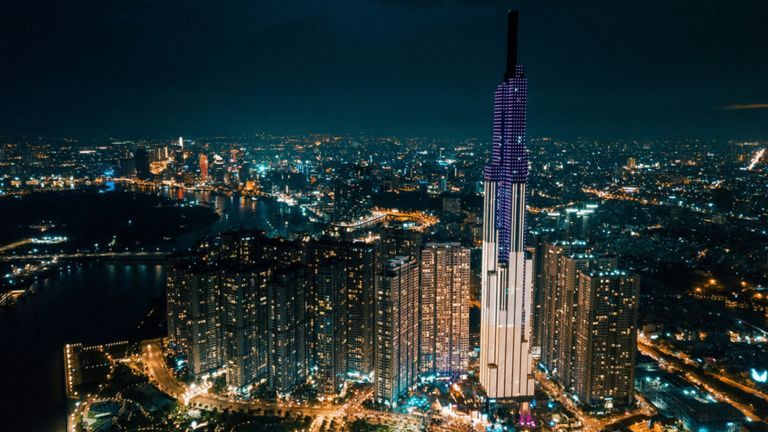
Vibrant nightlife in Ho Chi Minh City. | Source: Vietnam Tourism
Ho Chi Minh City has set a goal to be completely drug-free by 2030, with a broad push that combines law enforcement, community prevention programmes and tighter monitoring of trafficking networks.
The term “drug-free” in Vietnam often means less about policing people’s suitcases but more about a high-level commitment to public security. It aims to eliminate systemic risks, ensuring Ho Chi Minh City remains a safe, welcoming destination for global citizens.
However, to stay on the right side of the law and avoid unnecessary legal hurdles when navigating the city, it is vital to understand the specific boundaries of Vietnam’s drug policies.
Here is the latest update about Vietnam’s legal landscape on substances
58 substances are completely banned in Vietnam
On January 19, 2026, the Vietnamese government issued Decree No. 28/2026/ND-CP specifying the lists of narcotic substances and precursors, divided into four main categories:
Category I: Absolutely prohibited substances
These are substances that are completely banned from use in medicine and everyday life. They can only be handled under very strict official permission for purposes such as scientific research, testing, or national defence.
There are 58 banned narcotics, including: heroin, cocaine, methamphetamine (locally known as ma túy đá), LSD, and cannabis-related substances (including hash, THC, cannabinoid…).
Category II: Restricted-use substances
This group contains substances that may be used only under controlled circumstances, such as research, medical diagnostics, or special law enforcement purposes. There are 476 narcotic substances, including Morphine, Fentanyl, Codeine.
Travellers carrying medication in this category must have valid prescriptions and strictly adhere to the declared dosage limits.
Category III: Narcotics for broad scientific or veterinary use
This list includes substances that may be used for research, testing, defence purposes, and in fields like medicine and veterinary care under proper authorisation. There are 81 substances, including Ketamine, Diazepam, and other controlled sedatives.
These are allowed only in specialised professional contexts.
Categories IV: Precursors
These are not drugs for personal use but chemicals associated with drug manufacture. According to Decree 28/2026/NĐ-CP and Vietnam’s drug laws, their possession, transport, sale, or use needs to be strictly regulated.
Unauthorised use can lead to criminal liability, fines, or imprisonment.
Popular, but illegal in Vietnam
In the city transitioning toward a drug-free future, some substances might appear “harmless” or are common in other global party hubs, but carry serious legal weight in Ho Chi Minh City.
While countries like Thailand have moved toward decriminalisation, Vietnam strictly prohibits cannabis, with no medical-use exceptions for any travelers.
Foreign nationals found using illegal drugs can face a fine of VND 1–2 million (USD $38-79) or potentially deportation. However, possession, distribution, or any involvement beyond mere use can trigger criminal prosecution under the Vietnamese Penal Code, with penalties ranging from imprisonment to death.
In January 2026, an expat in Hanoi was arrested for the possession of 8kg of cannabis.
Similarly, you may have heard of “funky balloons” or “laughing gas” being a staple of Southeast Asian nightlife, However, since January 1, 2025, under Resolution No. 173/2024/QH15, Vietnam has officially banned the production, trade, and recreational use of the laughing gas, marking the complete end of “funky balloons” in the country.
Authorities have moved decisively to scrub these from nightlife streets like Bui Vien. In July 2025, a bar owner in Ho Chi Minh City was arrested after continuously selling it after the ban.
How to enjoy a legal nightlife in Vietnam?
Without synthetic thrills, there are plenty of other ways to enjoy nightlife in Vietnam. The country’s spirit is anything but muted, and nowhere is this more evident than Ho Chi Minh City after dark.
In Ho Chi Minh City, travellers can go to the city’s world-class rooftop bars, where the views of the Saigon River and a sophisticated cocktail culture provide a legal, high-altitude exhilaration.
For a more grounded experience, follow the sensory explosion of late-night cơm tấm (broken rice) in District 4 or a steaming bowl of hủ tiếu gõ (street-side noodle soup) in District 1. These are the ‘natural highs’ that truly define Saigon’s character.
By respecting the local vision and staying informed, you aren't just staying safe—you are contributing to a brighter, more civilised, and more livable Vietnam for everyone.