The Next Wave: Vietnam's "Big Ideas" To Build In 2026
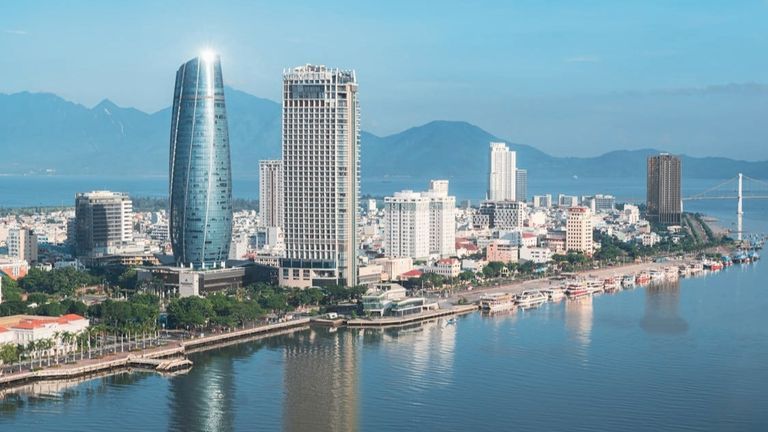
Regional Financial Center in Da Nang city. | Source: Pexels
For years, we at Vietcetera have watched with keen interest as futurists like a16z publish their annual "Big Ideas." These reports often cast a bold vision for the future, inspiring entrepreneurs and investors alike. But what if we were to look at the world through a distinctly Vietnamese lens?
What if we envisioned the "Big Ideas" for our own vibrant ecosystem, tailored to our unique strengths, challenges, and aspirations for 2026 and beyond?
While Silicon Valley might focus on polishing the existing digital frontier, Vietnam is poised to rebuild its national backbone with an innovative blend of AI, Green Tech, and a deep understanding of our social-first culture. Our focus isn't just about catching up; it's about leapfrogging directly into a future that leverages our high-tech manufacturing ambitions, our massive young consumer base, and our inherent adaptability.
Here are the five transformational areas where I believe Vietnam will forge its future in 2026:
1) Infrastructure: "Make in Vietnam" Intelligence
Forget generic cloud infrastructure. Vietnam’s 2026 infrastructure story is about the physical and digital rails that power our exports and solidify our position as a global manufacturing hub.
- AI-Native Industrial Base: We’re moving beyond just being a low-cost labor market. The opportunity lies in startups building AI for sophisticated factory automation, predictive maintenance for our booming textile and electronics plants, and autonomous quality control systems that ensure global standards. This isn't just efficiency; it's about competitive advantage.
- The Logi-Tech Stack: Vietnam’s logistics costs remain a significant hurdle. Imagine an AI-orchestrated supply chain, a "smart network" that connects Mekong Delta farmers directly to global ports, optimizing routes, predicting demand, and minimizing waste.
- Semiconductor Design Warehouses: With the ambitious push into the semiconductor industry, 2026 will see the rise of "fabless" design startups. These firms will leverage Vietnam's abundant, skilled software engineering talent to carve out our niche in the global hardware value chain, focusing on high-value design rather than just assembly.
- Hyper-local Large Language Models (LLMs): While global LLMs are powerful, Vietnam needs its own. We’re talking about models specifically trained on Vietnamese dialects, understanding our unique legal frameworks, cultural nuances, and the "street-level" complexities of our bustling markets.
2) Consumer: The "Social-First" Economy
Vietnam boasts one of the highest rates of AI trust and engagement in Southeast Asia. Our consumer future is intrinsically linked to where our people live: on their smartphones and within their social applications.
- The Video-Commerce Era: Static e-commerce is dead. In 2026, commerce is interactive video. Startups will thrive by building "AI Livestreamers" that can sell products 24/7 on platforms like TikTok and Shopee, engaging audiences with perfect Vietnamese cultural cues and real-time interaction.
- The "Super-App" Middleware: Just as ChatGPT is becoming an app store in the West, Zalo and Shopee are evolving into the de facto "operating systems" for Vietnamese daily life. The massive opportunity is in building "Mini-Programs" that embed AI to handle everything from micro-loans and insurance to personalized health consultations directly within these ubiquitous platforms.
- EdTech 2.0 (Reskilling for the Future): With a significant portion of our workforce eager to reskill, 2026 will see a surge in "AI Tutors" for vocational skills. Imagine an AI guiding a factory worker through coding basics or a rural entrepreneur on how to run a sophisticated digital storefront.
3) Crypto & Fintech: Beyond the Wallet
Vietnam is a global leader in crypto adoption, but 2026 is about moving past speculation to tangible utility, underpinned by intelligent regulation.
- The Sandbox Financial Center: Leveraging emerging financial hubs in Ho Chi Minh City and Da Nang, we’ll see "Regulatory-First" DeFi startups. These innovators will build stablecoin-based cross-border payment systems for SMEs, offering faster, cheaper alternatives to traditional rails, all within a compliant framework.
- Real World Asset (RWA) Tokenization: Our booming real estate market and agricultural yields offer immense potential. Tokenizing these assets could allow fractional investment for Vietnam's rapidly expanding middle class, democratizing access to wealth creation.
- Credit-as-a-Service: AI and alternative data (think telco bills, social engagement patterns) will unlock instant credit for the millions of "unbanked" Vietnamese, fostering financial inclusion and economic growth.
4) Enterprise: The Lean Digital Transformation
Vietnamese businesses are often bypassing legacy software systems, moving directly to AI-native solutions. This agility presents a unique opportunity for transformation.
- Voice-First ERP: Many small business owners in Vietnam prefer verbal communication. The "Big Idea" here is an "AI Voice Assistant" for back-office operations. Imagine a shop owner managing inventory, processing orders, and even handling basic accounting by simply speaking to their phone in Vietnamese.
- Vertical AI for Tourism: With millions of tourists expected, AI agents can act as hyper-personalized concierge services, offering "local-secret" itineraries, real-time recommendations, and instant language translation, elevating Vietnam’s hospitality to a global standard.
- Green-Fintech: As Vietnam prepares for the launch of its Carbon Credit Exchange, startups will emerge to build the "SAP for Carbon." These solutions will help manufacturers track and trade emissions, ensuring compliance with increasingly stringent global export laws, particularly from the EU.
5) "Vietnam Dynamism": Green & Smart
Unlike the "American Dynamism" focused on defense, re-industrialization, space which a16z shares, Vietnam’s dynamism is centered on sustainability, smart urbanization, and leveraging our natural assets.
- The Low-Altitude Economy: Drones will become commonplace, not just for delivery, but for high-tech agriculture in the Highlands (precision farming, crop monitoring) and for critical emergency medical delivery in our densely populated urban centers.
- Electric Motorbike Ecosystem: Beyond just the physical bikes (like Dat Bike), the true innovation lies in the software layer. AI-managed battery swapping networks and intelligent grid integration will power millions of electric vehicles, making EV ownership seamless and sustainable.
- Circular Economy Tech: Addressing our environmental challenges head-on. Startups will leverage AI for sophisticated waste sorting, transforming agricultural waste into high-value bio-materials, and innovating new ways to repurpose resources, turning waste into wealth.
The future of Vietnam isn't just about adapting to global trends; it's about shaping them. Our unique blend of digital savviness, youthful energy, and a pragmatic drive to build means that in 2026, Vietnam will not only be a force to be reckoned with but a beacon of innovation that inspires the world.
What "Big Ideas" do you see shaping Vietnam's future? Share your thoughts with us!