Why Vietnam's Credit Cards Are Becoming Software?
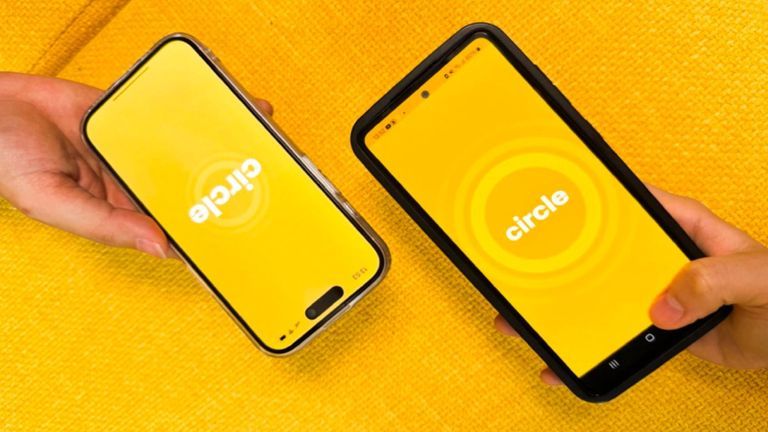
Circle brings credit into the app era, turning the card from plastic in a wallet into software for everyday spending control.
The payment landscape in Vietnam is undergoing a quiet but profound restructuring. Cash, which dominated checkout counters just a few years ago, is rapidly losing ground to QR codes, e-wallets, and now, a wave of mobile-first credit products.
As cashless transactions surge year-on-year, Gen Z and Millennials - who now make up the bulk of the workforce are the loudest voices demanding something better than the plastic cards their parents used.
This shift is being propelled by three converging trends:
1. Banking Is Shrinking Into The Phone
Consumers no longer want to walk into branches, sign forms, or wait three to five business days for approval. They expect to onboard in minutes, see balances in real time, and adjust spending limits with a thumb. Globally, neobanks like Nubank, Revolut, and Monzo have shown what that experience looks like. Southeast Asia is catching up with local takes from GCash, GoTo, and a growing list of Vietnamese players.
2. Credit Is Being Unbundled From The Card
The line between a credit card, a Buy Now Pay Later product, and an installment loan is blurring. Younger consumers want flexibility on a per-transaction basis: convert this dinner into three months, pay that flight in full, lock the card the moment it leaves the wallet. The “card” is becoming a software interface on top of a credit line, not a physical object.
3. AI Is Creeping Into Personal Finance
Spend categorization, predictive budgeting, and automated alerts used to be premium features. They are now table stakes. Users want a product that quietly nudges them when they are off-budget, not one that surprises them with a statement at month end.
A new launch in Ho Chi Minh City puts these trends on the same shelf. On May 27, VPBank and Circle Vietnam Technologies introduced the VPBank Circle PayLater card, a digital-only credit card issued through the Circle app and accepted on the Visa network. The pitch checks every box on the modern wishlist: a five-minute application using only a national ID and phone number, no income paperwork, no annual fees for life, real-time transaction tracking, AI-powered spending controls, in-app installment conversion, and an integrated rewards layer through Circle Rewards.
Mr. Arnab Ghosh, Founder and CEO of Circle, described the product as a direct response to "real-world user behavior." Echoing this sentiment, Mr. Phung Duy Khuong, Permanent Deputy CEO in charge of the Southern Region at VPBank, emphasized:
"Digitization is not simply about migrating an existing product onto a digital platform; it is about completely redesigning it based on how young Vietnamese actually spend money." Ms. Dang Tuyet Dung, Country Manager for Visa Vietnam and Laos, also hailed this as a major milestone toward credit that is "seamless, instantaneous, and deeply integrated into the digital lives of modern consumers."
A Future Written In Code
The bigger story here goes beyond a single product launch; it lies in the market signal this partnership sends.
Over the past five years, Vietnamese banks have invested heavily in mobile banking apps. However, the next decade will be defined by strategic partnerships between banks and technology platforms, ecosystems capable of creating native, lifestyle-centric experiences.
Moving forward, the market will undoubtedly see more alliances between traditional banks and fintechs. More cards will exist solely as software, and the battle to own the consumer's daily financial habits, rather than just their loan balances will intensify.
For young consumers, this shift means fewer lines to stand in, greater financial control, and a credit product that functions as smoothly as the everyday apps they love. For the financial industry, it serves as a powerful reminder: In Vietnam, the future of money will be written in code, not pressed in plastic.