Vietnam Visa & Immigration Master Guide 2026: Comprehensive Legal & Practical Framework
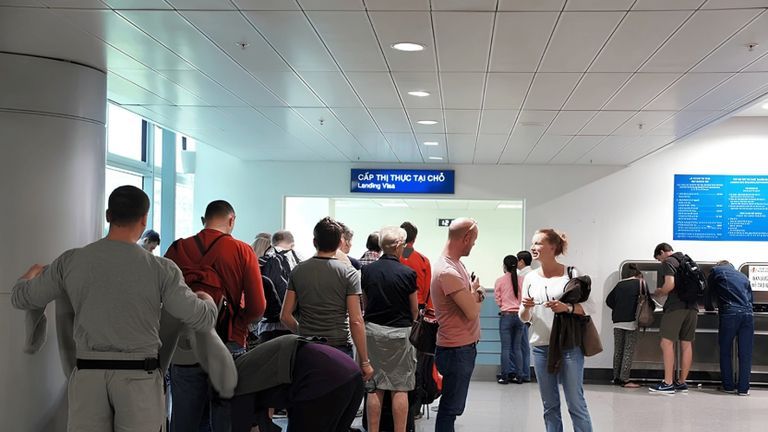
Source: Vietnam-Visa.com
Navigating entry requirements for the Socialist Republic of Vietnam has become increasingly digitized and streamlined. The rules applicable in 2026 are consolidated under Document No. 62/VBHN-VPQH, issued on March 23, 2026, which incorporates Law No. 47/2014/QH13, Law No. 51/2019/QH14, and Law No. 23/2023/QH15. Key policies, including Resolution No. 127/NQ-CP, Resolution No. 44/NQ-CP, and Resolution No. 229/NQ-CP, further determine visa eligibility, exemptions, and permitted periods of stay for different categories of travelers.
For visitors, the practical question is not simply whether a visa is required, but which entry route applies to their nationality, purpose of travel, and intended length of stay. Depending on these factors, travelers may qualify for visa-free entry, apply for an electronic visa, or use a specific exemption or immigration arrangement. Understanding these distinctions can help avoid unnecessary applications, incorrect visa types, or problems at the border.
Whether you are planning a short leisure holiday, a 90-day multi-city remote-work journey, or a longer visit connected to Vietnamese family roots as an Overseas Vietnamese (Viet Kieu), the appropriate entry pathway can vary considerably. Travelers seeking extended access may also consider the 5-Year Visa Exemption Certificate, subject to the applicable eligibility requirements.
This verified 2026 guide explains the main entry options in practical terms, including eligibility criteria, application procedures, administrative fees, passport requirements, permitted lengths of stay, and key obligations after entering Vietnam. It also highlights important distinctions between visa exemption, e-visa entry, and longer-term exemption arrangements so that travelers can determine which option best matches their circumstances.
The guide is intended to serve as a practical roadmap from pre-travel preparation through arrival and compliance during the authorized stay. While visa approval or exemption establishes the basis for travel, visitors must still satisfy the applicable entry conditions and comply with the terms of their immigration status once in Vietnam.
Legal Framework & 2026 Immigration Policy Overview
Vietnam’s modern entry infrastructure is anchored by statutory instruments designed to balance national security with tourism and investment facilitation:
- Consolidated Immigration Law: Document No. 62/VBHN-VPQH (consolidated as of March 23, 2026), serving as the foundational statute governing foreign nationals’ entry, transit, and residence.
- Resolution No. 127/NQ-CP: Authorizes electronic visa (E-Visa) issuance to citizens of all countries and territories worldwide, granting up to 90 days of validity for single or multiple entries.
- Resolution No. 44/NQ-CP & Resolution No. 229/NQ-CP: Formulate bilateral and unilateral visa exemptions for citizens of designated nations under broader socioeconomic and tourism development strategies.
- Decree No. 82/2015/ND-CP: Regulates the issuance, extension, and management of the 5-Year Visa Exemption Certificate for Overseas Vietnamese and their foreign family members.
Short-Term Visa Exemptions (14 to 45 Days)
Travelers seeking short-term entry may enter Vietnam without a pre-arranged visa, provided they meet specific nationality and documentation criteria.
Unilateral 45-Day Exemption
Citizens of the following 12 countries—Germany, France, Italy, Spain, the United Kingdom, Russia, Japan, South Korea, Denmark, Sweden, Norway, and Finland—are eligible for a visa exemption allowing stays of up to 45 days from the date of entry into Vietnam under Resolution No. 44/NQ-CP. The policy is currently in effect from March 15, 2025, through March 14, 2028. Travelers must meet Vietnam’s applicable entry requirements, including valid passport requirements. Depending on the circumstances, airlines or immigration authorities may also request evidence relating to onward or return travel.
ASEAN Bilateral Reciprocal Exemptions
Citizens holding ordinary passports issued by Southeast Asian (ASEAN) member states benefit from reciprocal agreements:
- 30 Days: Singapore, Thailand, Malaysia, Indonesia, Cambodia, Laos.
- 21 Days: Philippines.
- 14 Days: Brunei, Myanmar.
Phu Quoc Island Special Economic Zone Exemption (30 Days)
Foreign nationals traveling directly to Phu Quoc International Airport (PQC) or entering via maritime transport are permitted a visa-free stay of up to 30 days on Phu Quoc Island. Travelers transiting through mainland international hubs (such as Hanoi or Ho Chi Minh City) remain eligible for this exemption provided they clear transit formalities strictly within designated airport zones before boarding the connecting domestic flight to Phu Quoc.
The 90-Day Electronic Visa (E-Visa) — The Standard Route
The E-Visa system acts as the primary entry channel for independent international tourists, digital nomads, and short-term business travelers.
Key Specifications & Parameters
- Eligible Nationalities: Citizens of all countries and territories worldwide.
- Validity Period: Maximum of 90 days from the declared entry date.
- Entry Types: Available for both Single Entry and Multiple Entries.
- Authorized Ports: Accepted across all designated international border checkpoints—including international airports, land border gates, and seaports—as sanctioned by Resolution No. 127/NQ-CP.
Official Government Fees
- Single Entry E-Visa: USD 25 (non-refundable statutory state fee).
- Multiple Entry E-Visa: USD 50 (non-refundable statutory state fee).
Important Advisory on Third-Party Portals: Travelers must exclusively utilize official government channels. Numerous commercial intermediary sites charge excessive markup fees or imitate official design. Official applications must be processed directly through government portals utilizing the .gov.vn domain extension.
Step-by-Step Application Workflow
1. Digital Preparation: Prepare a clear, high-resolution scan of your passport data page and a recent portrait photograph (taken against a plain white background, without glasses).
2. Access Official Portal: Navigate to the official portal here.
3. Data Entry: Complete the electronic application form with precise biographical data, intended itinerary, residential address in Vietnam, and exact entry/exit checkpoints.
4. Fee Settlement: Complete payment via the secure government electronic payment gateway.
5. Tracking & Retrieval: Save your unique registration code to monitor processing status, then download and print the approved PDF E-Visa document for presentation at immigration control.
The 5-Year Visa Exemption Certificate — For Viet Kieu & Family
Governed under Decree No. 82/2015/ND-CP, the 5-Year Visa Exemption Certificate is designed for Overseas Vietnamese (Viet Kieu) and foreign nationals who are spouses or children of Vietnamese citizens or Overseas Vietnamese.
Key Entitlements & The 180-Day Rule
- Certificate Validity: Valid for up to 5 years, provided the underlying passport maintains a validity span exceeding the certificate expiration by at least 6 months.
- The 180-Day Stay Limit: Each individual entry grants a continuous temporary residence period of up to 180 days. Exceeding this 180-day threshold requires filing a formal temporary residence extension application (using Form NA5) via sponsoring family members through the local provincial immigration office.
Official Fees & Processing Timelines
- Statutory State Fee: USD 10 when applying domestically inside Vietnam; USD 20 when applying via an overseas diplomatic mission or Vietnamese embassy, subject to local consular exchange rates and administrative handling costs.
- Statutory Processing Time: Exactly 5 working days from the date of receiving a complete, compliant dossier, as stipulated under Article 7 of Decree No. 82/2015/ND-CP.
Essential In-Country Rules & Compliance
Temporary Residence Declaration (Thông Báo Lưu Trú)
Under Article 33 of Document No. 62/VBHN-VPQH, the management or host of any accommodation establishment (including hotels, homestays, serviced apartments, or private family hosts) is legally mandated to declare the foreign guest’s temporary residence to the local communal police station within 12 hours of arrival (or 24 hours for remote, mountainous, or border areas). Commercial lodging properties typically manage this requirement automatically upon check-in.
Security Warning Regarding Fraudulent Portals
Foreign visitors should remain highly vigilant against unverified third-party websites mimicking official state channels. Authentic immigration processing portals operated by the Vietnamese government exclusively maintain the .gov.vn web domain suffix.
Directory of Official Government Portals
Official E-Visa Portal
This is the official electronic visa portal operated for Vietnam’s e-visa application process. Foreign travelers who require an e-visa should use the government portal rather than relying on similarly named commercial websites.
Visit the official Vietnam E-Visa Portal here.
Ministry of Public Security Public Service Portal
This portal provides online public services administered by Vietnam’s Ministry of Public Security, including services and procedures related to immigration and other areas under the Ministry’s authority.
Visit the official Ministry of Public Security Public Service Portal here.
5-Year Visa Exemption Portal — Consular Department
This portal is associated with Vietnam’s Ministry of Foreign Affairs and provides information and services relating to the five-year visa exemption certificate for eligible overseas Vietnamese and qualifying foreign spouses or children under the applicable regulations.
Visit the official 5-Year Visa Exemption Portal — Consular Department here.
National Temporary Residence Declaration System
This is the online system used for temporary residence declarations for foreigners staying in Vietnam. Accommodation providers and hosts can use the system to submit the required temporary residence information to the competent authorities.
Visit the official National Temporary Residence Declaration System here.